
How Digital Literacy Programmes for Women Are Driving Economic Empowerment in Nigerian Communities
July 13, 2026How Trust Creates Opportunity
July 14, 2026Understanding Malaria Transmission in Nigerian Communities
Malaria remains one of the leading public health challenges in Nigeria, affecting millions of people every year, particularly children under five years of age and pregnant women. Effective prevention begins with understanding how malaria spreads within communities.
Malaria is transmitted through the bite of infected female Anopheles mosquitoes, which are most active between dusk and dawn. In Nigeria, the primary parasite responsible for malaria is Plasmodium falciparum, the deadliest malaria parasite. Mosquitoes breed in stagnant or slow-moving water commonly found during the rainy season, making environmental conditions a major factor in disease transmission.
Community health workers focus on two major prevention strategies: reducing contact between people and mosquitoes, especially at night, and eliminating mosquito breeding sites around homes and public spaces. Combining these approaches significantly reduces malaria transmission across communities.
Long-Lasting Insecticidal Nets: The First Line of Defence
Long-lasting insecticidal nets (LLINs) remain the most effective and affordable malaria prevention tool available in Nigeria. Sleeping under an insecticide-treated net every night can reduce the risk of malaria infection by up to 60–80 percent, making it one of the most successful public health interventions.
The National Malaria Elimination Programme regularly distributes free mosquito nets through nationwide campaigns and healthcare facilities. However, ownership alone is not enough. Community health workers encourage families to hang nets correctly, tuck them securely under mattresses or sleeping mats, repair holes promptly, and use them consistently throughout the year—not only during the rainy season.
Regular household visits that include demonstrations on proper net installation and maintenance have been shown to improve long-term usage and increase protection against mosquito bites.
Environmental Management to Reduce Mosquito Breeding
Reducing mosquito breeding sites is an essential community-wide malaria prevention strategy. Female Anopheles mosquitoes lay their eggs in stagnant water, making environmental sanitation a powerful tool for limiting mosquito populations.
Community health workers encourage residents to regularly empty water containers, cover water storage tanks, dispose of old tyres, unblock drainage channels, clean gutters, and eliminate standing water around homes. These simple actions prevent mosquitoes from breeding close to residential areas.
Community sanitation exercises, especially before and during the rainy season, strengthen collective efforts to reduce mosquito populations. Local governments and community leaders also play an important role by improving drainage systems and supporting environmental sanitation initiatives.
Indoor Residual Spraying and Personal Protection
Indoor residual spraying (IRS) involves applying approved insecticides to the interior walls and ceilings of houses where mosquitoes commonly rest after feeding. This intervention kills mosquitoes before they can spread malaria and has proven highly effective in areas with high malaria transmission.
Community health workers assist by educating residents about the safety and benefits of indoor spraying, encouraging household participation, and addressing concerns that may discourage acceptance of the programme.
For additional protection, especially during evening outdoor activities, health workers recommend using insect repellents on exposed skin and wearing long-sleeved clothing where practical. Window screens and properly fitted doors also help reduce mosquito entry into homes.
Early Diagnosis and Prompt Treatment Prevent Further Transmission
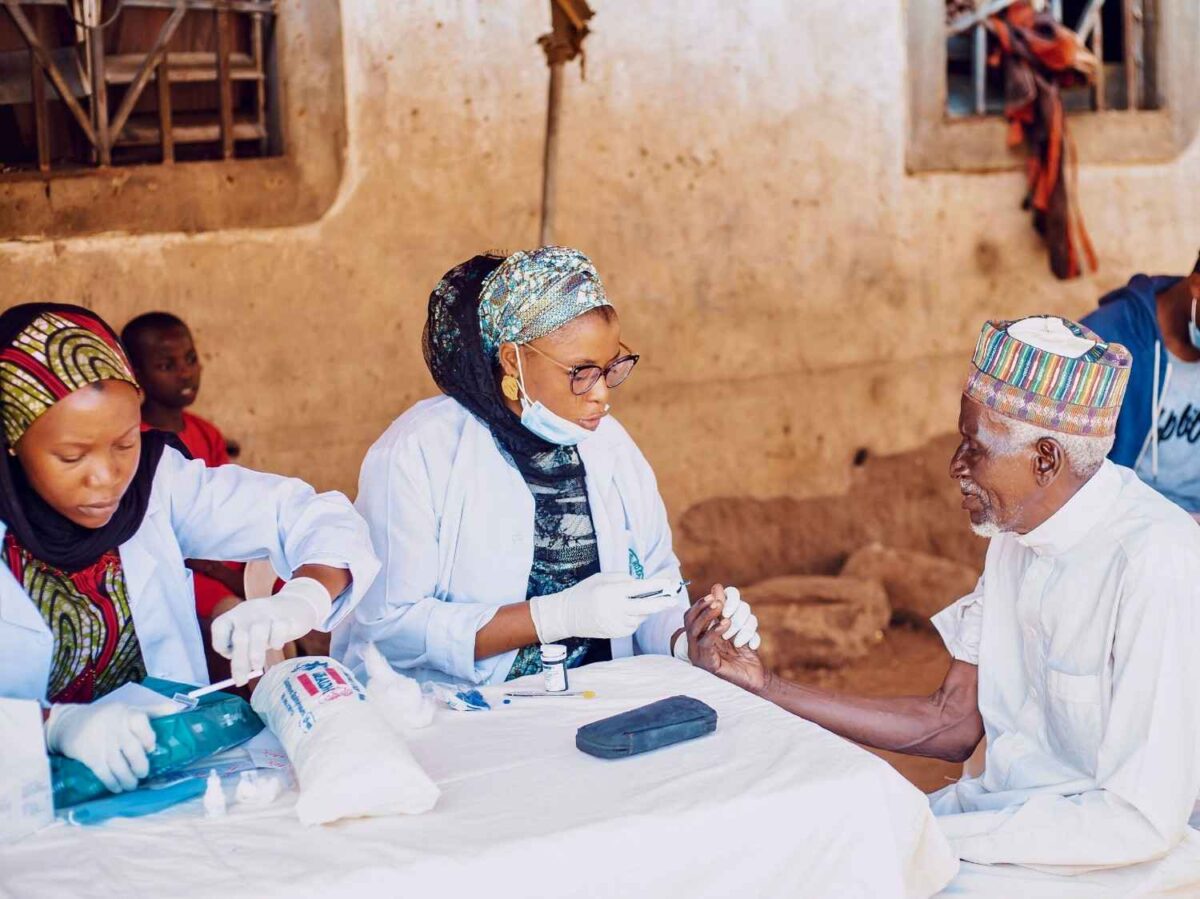
Prompt diagnosis and treatment are important components of malaria prevention. Community health workers are trained to use malaria rapid diagnostic tests (RDTs) to confirm infection before treatment. This approach ensures that patients receive the correct medicines while reducing unnecessary use of antimalarial drugs.
Confirmed malaria cases should be treated immediately with recommended artemisinin-based combination therapies (ACTs). Early treatment reduces illness severity, prevents complications, and lowers the chance that infected individuals will continue transmitting malaria to mosquitoes that bite them.
Community members are also encouraged to complete the full course of prescribed medication, even if symptoms improve within a few days, to ensure complete parasite clearance.
Protecting Pregnant Women and Young Children
Pregnant women and children under five face the highest risk of severe malaria. Community health workers strongly recommend that pregnant women attend antenatal clinics where they can receive intermittent preventive treatment (IPTp), insecticide-treated mosquito nets, and routine health education.
Parents and caregivers are advised to ensure children sleep under insecticide-treated nets every night and to seek medical attention immediately if a child develops fever, weakness, vomiting, or other symptoms consistent with malaria.
Early intervention saves lives and reduces the risk of severe complications.
The Importance of Community Participation
Malaria prevention is most successful when entire communities participate. Community health workers encourage households to work together during environmental sanitation exercises, report blocked drainage systems, support mosquito net distribution campaigns, and educate neighbours about effective prevention practices.
Schools, religious institutions, youth groups, traditional leaders, and community-based organisations can all contribute by promoting malaria awareness and encouraging healthy behaviours throughout the year.
Sustained community engagement strengthens malaria control efforts and helps reduce disease burden across entire communities.
Conclusion
The most practical malaria prevention measures recommended by community health workers combine personal protection, environmental sanitation, early diagnosis, prompt treatment, and community participation. Sleeping under insecticide-treated nets every night, eliminating mosquito breeding sites, supporting indoor residual spraying, seeking early medical care, and protecting vulnerable populations remain the foundation of effective malaria prevention in Nigeria.
By adopting these evidence-based practices consistently, Nigerian communities can significantly reduce malaria infections, improve public health, and protect families from one of the country’s most persistent diseases.
