
How Community Media Platforms Are Strengthening Civic Participation in Nigeria
July 11, 2026How Networks Create Wealth
July 11, 2026The Need for Better Healthcare Access
Access to quality healthcare remains a major challenge for millions of Nigerians, particularly those living in rural and underserved communities. Long travel distances, shortages of healthcare professionals, limited medical facilities, and inadequate health information often delay diagnosis and treatment. These barriers contribute to preventable illnesses and poorer health outcomes.
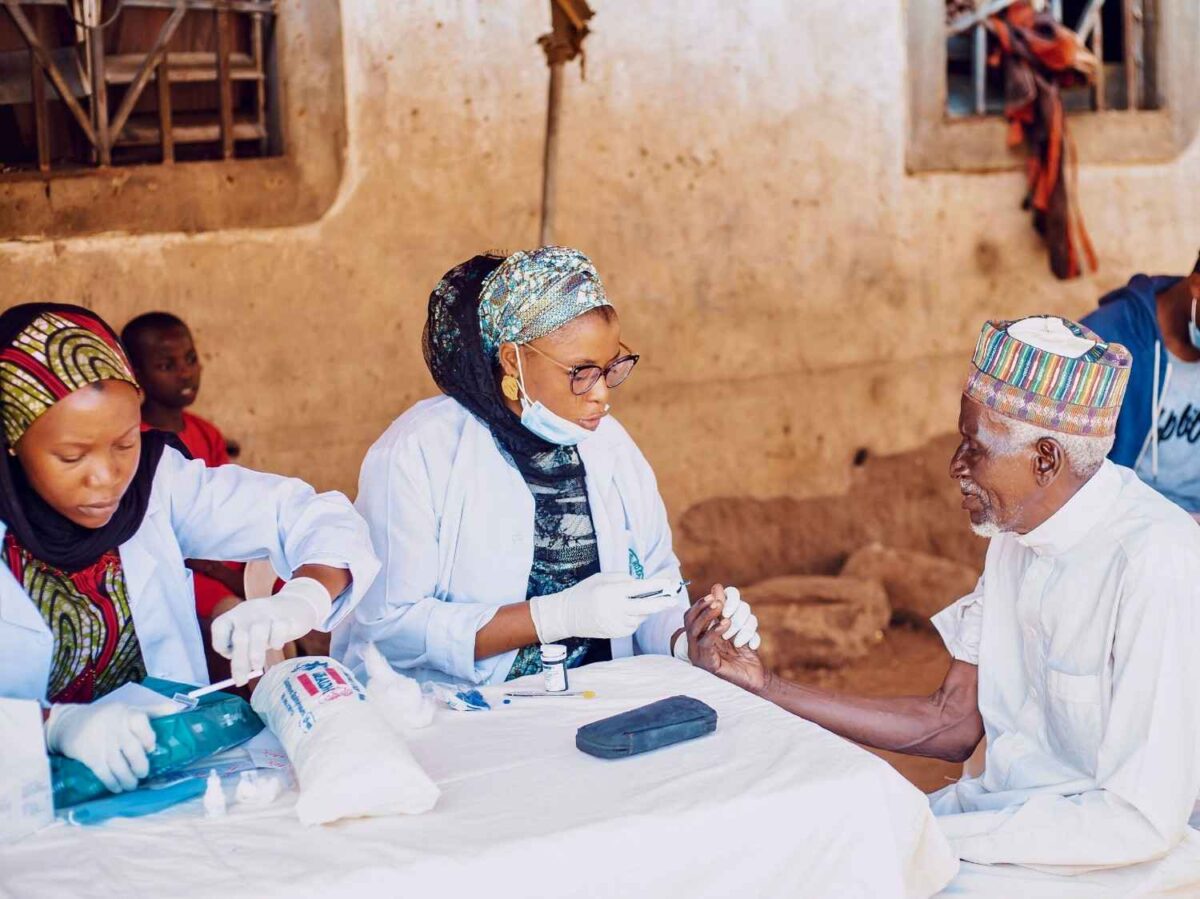
Digital innovation is helping to address these challenges by expanding access to healthcare services through technology. Mobile applications, telemedicine platforms, electronic health records, and digital health education are making healthcare more accessible, efficient, and responsive to community needs.
The Rise of Telemedicine
Telemedicine allows patients to consult qualified healthcare professionals without travelling long distances. Through smartphones, computers, and internet-enabled devices, patients can receive medical advice, follow-up consultations, and referrals from licensed practitioners.
For communities with limited access to specialists, telemedicine reduces waiting times and lowers transportation costs while ensuring that patients receive timely medical guidance. It also supports healthcare workers in remote clinics by connecting them with specialists for professional consultation.
Mobile Health Applications
Mobile health applications are becoming valuable tools for promoting preventive healthcare. These platforms help users monitor their health, schedule appointments, receive medication reminders, and access reliable medical information.
Pregnant women can receive antenatal care reminders, parents can track childhood immunisations, and individuals managing chronic conditions such as hypertension or diabetes can monitor their treatment schedules more effectively. Digital reminders encourage consistent healthcare practices and improve long-term health outcomes.
Electronic Health Records
The adoption of electronic health records is improving the efficiency of healthcare delivery. Digital records enable healthcare providers to securely store patient information, access medical histories, reduce paperwork, and improve coordination between different health facilities.
Accurate health records reduce medical errors, improve diagnosis, and support continuity of care when patients visit different healthcare providers.
Strengthening Community Health Education
Digital technology has also transformed health education. Community organisations, healthcare providers, and public health agencies increasingly use websites, social media platforms, podcasts, webinars, and messaging applications to share accurate health information.
Health campaigns covering maternal health, nutrition, immunisation, infectious disease prevention, mental health, sanitation, and healthy lifestyles now reach wider audiences than traditional communication methods alone.
Challenges to Digital Healthcare
Despite significant progress, several challenges continue to affect digital healthcare adoption in Nigeria. Limited internet connectivity, unreliable electricity, affordability of digital devices, low digital literacy, and concerns about data privacy remain barriers in many communities.
Addressing these challenges requires investment in digital infrastructure, healthcare workforce training, public awareness campaigns, and policies that promote secure and equitable access to digital health services.
Building Partnerships for Better Healthcare
Collaboration between government agencies, healthcare institutions, technology companies, educational organisations, development partners, and community leaders is essential for expanding digital healthcare solutions.
Partnerships can support the development of telemedicine services, digital health infrastructure, healthcare worker training, and public education programmes that improve access to quality healthcare across Nigeria.
Looking Ahead
Digital innovation is reshaping healthcare delivery in Nigeria by improving access, increasing efficiency, and supporting preventive care. As technology continues to evolve, digital health solutions will become increasingly important in reaching underserved populations and strengthening the country’s healthcare system.
By investing in digital healthcare infrastructure, promoting digital literacy, and encouraging collaboration across sectors, Nigeria can create a more inclusive healthcare system that ensures every community has greater access to timely, affordable, and quality healthcare.
