Practical Steps for Building a National Health Workforce Data System That Guides Training and Deployment in Nigeria
July 15, 2026Building Long-Term Digital Assets
July 16, 2026Introduction
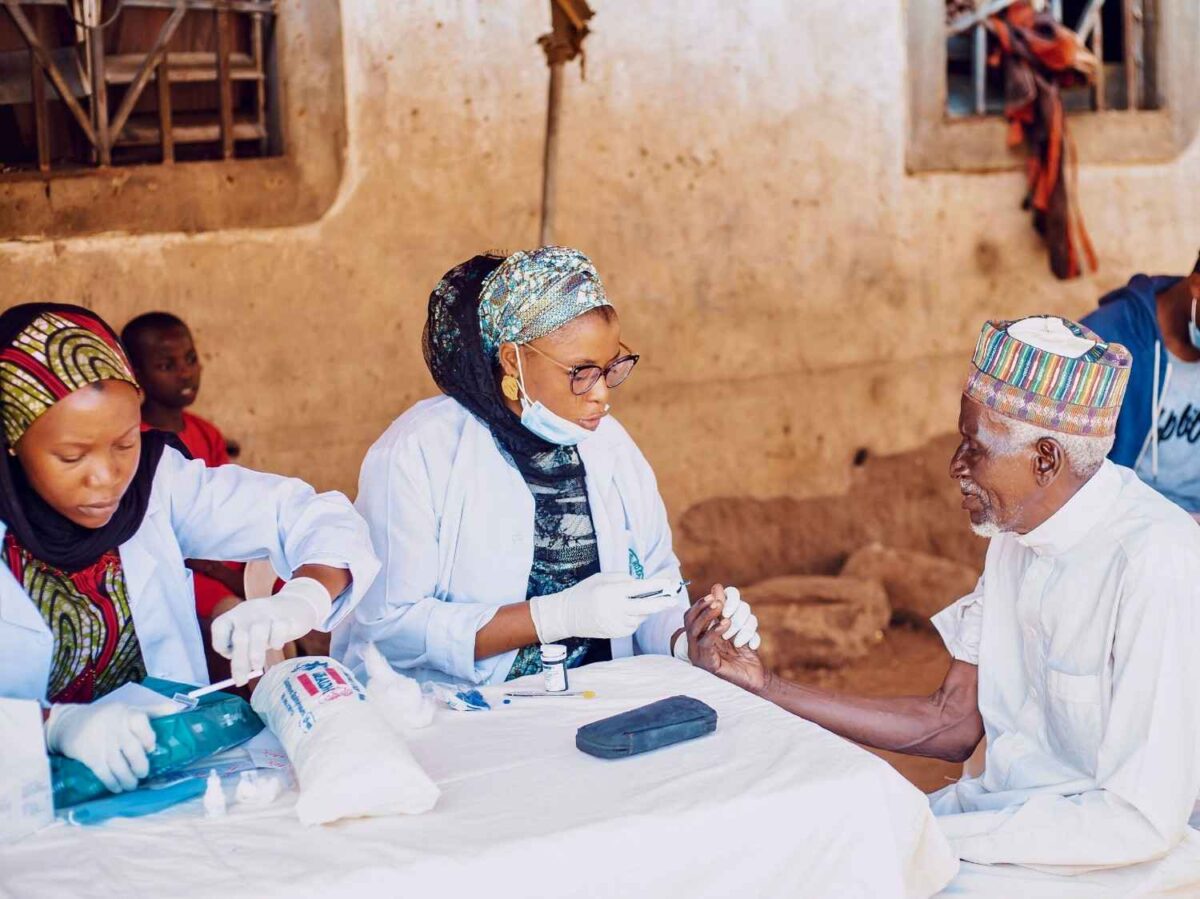
Nigeria’s healthcare system is evolving rapidly, driven by advances in technology, growing community participation, and increasing demand for accessible, affordable, and high-quality health services. Yet many communities, particularly in rural and underserved areas, continue to face challenges such as shortages of healthcare professionals, limited access to medical equipment, inadequate health education, and weak referral systems.
One promising solution is the establishment of Community-Based Health Innovation Hubs. These hubs bring together healthcare professionals, technology experts, researchers, entrepreneurs, community leaders, and young innovators to develop practical solutions to local health challenges. By encouraging collaboration, innovation, and community ownership, these hubs can strengthen primary healthcare while supporting Nigeria’s broader health system transformation.
Understanding Community Health Innovation Hubs
A Community Health Innovation Hub is a collaborative centre where individuals and organisations work together to identify health challenges, test innovative solutions, and improve healthcare delivery within their communities.
Unlike traditional healthcare facilities that focus primarily on treatment, innovation hubs focus on prevention, problem-solving, research, capacity building, digital health, entrepreneurship, and community engagement.
They provide spaces where ideas can be developed into practical interventions that respond directly to local health needs.
Why Nigeria Needs Community Health Innovation Hubs
Healthcare challenges vary across Nigeria. Communities affected by malaria may require different solutions from those struggling with maternal mortality, malnutrition, mental health, or non-communicable diseases.
Community-based innovation hubs enable local stakeholders to design solutions based on their unique circumstances rather than relying solely on national programmes.
These hubs also strengthen collaboration between healthcare providers, universities, local governments, private companies, and civil society organisations, creating partnerships that improve healthcare delivery while encouraging innovation.
Supporting Digital Health Innovation
Technology is becoming an essential component of modern healthcare.
Community innovation hubs can support the development and testing of digital health solutions such as:
- Mobile health applications.
- Electronic medical records.
- Telemedicine services.
- AI-assisted health education.
- Disease surveillance platforms.
- Maternal health monitoring systems.
- Digital appointment scheduling.
- Community health reporting tools.
By testing these innovations within communities before wider implementation, healthcare providers can identify what works best in different settings.
Empowering Community Health Workers
Community health workers remain the foundation of primary healthcare in many Nigerian communities.
Innovation hubs can provide continuous professional development through workshops, digital learning programmes, practical demonstrations, and mentorship opportunities.
Health workers can also learn how to use mobile diagnostic tools, digital reporting systems, artificial intelligence applications, and electronic health information platforms that improve the quality and efficiency of community healthcare services.
Encouraging Local Research and Problem Solving
Many healthcare challenges require locally generated evidence.
Community Health Innovation Hubs can support operational research that investigates issues such as:
- Childhood malnutrition.
- Maternal healthcare utilisation.
- Vaccine acceptance.
- Malaria prevention.
- Water and sanitation.
- Mental health awareness.
- Health financing.
- Community disease surveillance.
Research findings generated within communities provide valuable information that policymakers can use to improve health programmes and allocate resources more effectively.
Supporting Young Health Innovators
Nigeria has a growing population of talented young professionals interested in healthcare, technology, engineering, and entrepreneurship.
Innovation hubs provide opportunities for students and young innovators to develop affordable medical technologies, health education tools, digital platforms, and community health solutions.
Hackathons, innovation competitions, mentorship programmes, and startup incubation initiatives encourage young people to transform creative ideas into practical healthcare solutions that benefit their communities.
Strengthening Public-Private Partnerships
Successful innovation hubs depend on collaboration.
Government agencies can provide policy support and funding, while universities contribute research expertise. Technology companies offer digital solutions, healthcare providers share practical experience, and development organisations support implementation and evaluation.
Such partnerships increase the sustainability and long-term impact of community health innovations.
Measuring Success
The effectiveness of Community Health Innovation Hubs should be evaluated using measurable indicators such as:
- Increased access to healthcare services.
- Improved disease prevention.
- Higher immunisation coverage.
- Better maternal and child health outcomes.
- Increased adoption of digital health tools.
- Community participation in health programmes.
- Number of locally developed health innovations.
- Healthcare worker training outcomes.
- Reduction in preventable illnesses.
Regular monitoring helps identify successful interventions that can be expanded to other communities.
The Role of Digital Community Platforms
Digital collaboration platforms such as SINNTS can strengthen Community Health Innovation Hubs by connecting healthcare professionals, researchers, entrepreneurs, students, policymakers, and community volunteers.
Through online learning, networking, collaborative projects, professional discussions, and innovation challenges, digital communities create opportunities for knowledge sharing beyond geographical boundaries.
These platforms help transform isolated ideas into scalable solutions capable of improving healthcare across Nigeria.
Conclusion
Community-Based Health Innovation Hubs offer Nigeria a practical pathway toward stronger, more responsive, and more sustainable healthcare systems.
By combining community participation, research, digital technology, entrepreneurship, and multi-sector collaboration, these hubs can generate solutions tailored to local realities while strengthening primary healthcare services.
As Nigeria continues investing in health system reform, establishing innovation hubs in communities across the country can help improve healthcare access, empower local innovators, and build healthier communities for generations to come.