
How Nigeria Can Design a National Innovation Policy That Connects Universities, Industry and Government
June 30, 2026Practical First Aid Training That Every Nigerian Community Organisation Should Provide to Its Members
June 30, 2026Why Maternal and Child Health Data Matters in Nigeria
Every maternal or child death is preceded by a chain of missed signals — a missed antenatal visit, an unmonitored high-risk pregnancy, a stockout of a life-saving commodity, a delay in reaching a facility. Maternal child health data Nigeria health systems collect can illuminate every link in that chain if it is captured accurately and used promptly. The data tells health managers which communities are missing antenatal care, which facilities are running short of essential supplies, and which referralhttps://whatsapp.com/channel/0029VbCzx2RAu3aUEuTlhm2p pathways are failing, turning preventable tragedies into actionable management problems.
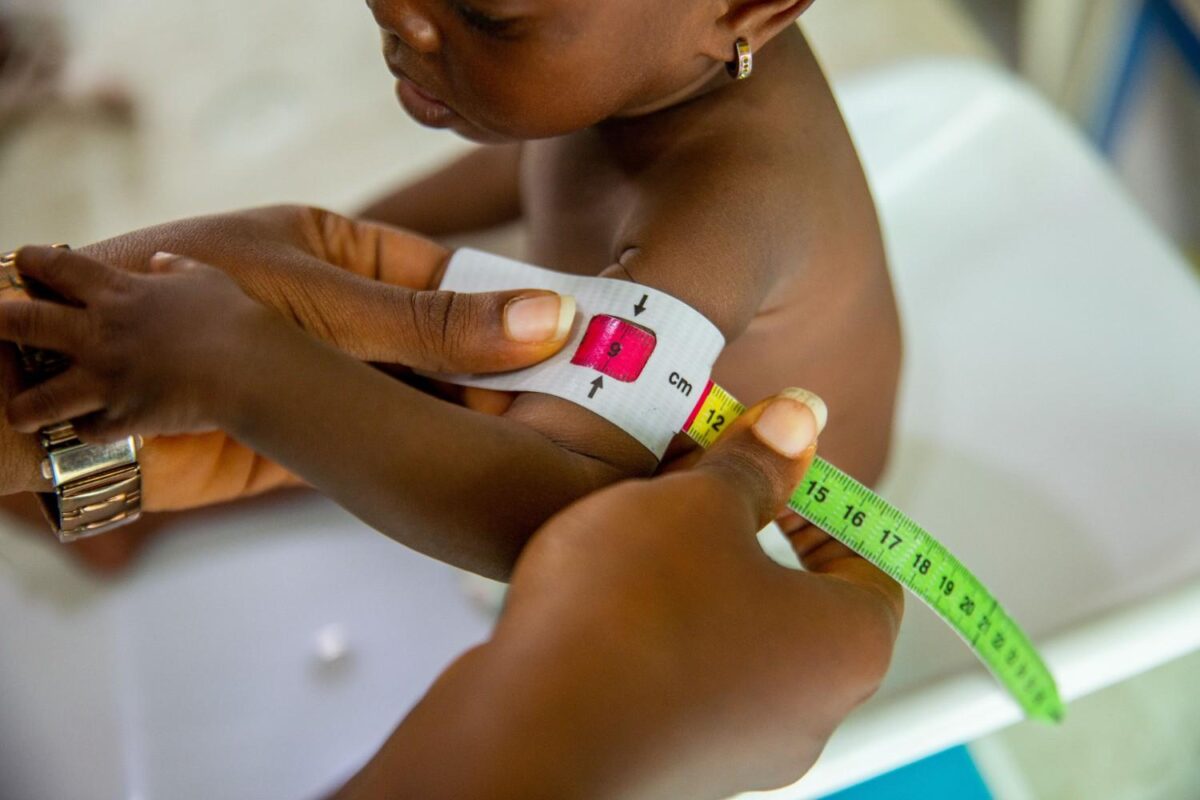
The scale of Nigeria’s challenge makes data indispensable rather than optional. With a population this large and this dispersed, no health ministry can manage maternal and child health by intuition or by responding only to the crises that happen to attract attention. Maternal child health data Nigeria states use well lets scarce resources flow to where the risk is concentrated, replacing the political and anecdotal allocation that has historically left the highest-mortality communities the least served.
The Data Systems Driving Improvement
Nigeria’s District Health Information System, known as DHIS2, has become the backbone of routine health data collection, aggregating reports from tens of thousands of facilities into a single national platform. The states making the fastest progress are those that have moved beyond simply submitting DHIS2 reports to actively analysing them — running monthly data review meetings where managers examine the maternal child health data Nigeria facilities report and decide concrete actions in response to what the numbers reveal.
Complementing the routine system are targeted digital tools: electronic registers that track individual pregnant women through their antenatal and delivery care, commodity logistics systems that flag impending stockouts of oxytocin and magnesium sulphate before they happen, and mobile reporting that lets community health workers transmit data from the field in real time. When these tools feed a culture that actually acts on the data, the maternal child health data Nigeria generates becomes a continuous early-warning system rather than a retrospective record.
How States Are Turning Data Into Action
The states showing measurable gains share a common discipline: they close the loop between data and decision. A high-performing state health team does not merely observe that antenatal coverage has fallen in a particular local government area; it dispatches supportive supervision, redeploys community health workers, and tracks whether coverage recovers in the following months. This management rhythm — review, decide, act, re-measure — is what converts maternal child health data Nigeria collects into lives saved.
Performance dashboards and scorecards have proven especially powerful when they are visible and comparative. When states and local government areas can see their maternal and child health indicators ranked against their peers, the resulting professional pride and political accountability drive improvement in ways that confidential reports never do. Several Nigerian states have adopted public scorecards that have measurably accelerated progress simply by making the data impossible to ignore.
Closing the Data Quality and Equity Gaps
Data-driven maternal and child health improvement depends entirely on data that is accurate, complete, and timely, and Nigeria still has real gaps to close. Facilities under pressure sometimes report optimistic figures, home births and deaths in remote communities go uncounted, and the very places with the worst outcomes often have the weakest reporting. Improving the maternal child health data Nigeria relies on therefore requires investment in data quality audits, in training for the health workers who enter the data, and in reaching the communities that current systems miss.
Equity must be an explicit analytical lens, not an afterthought. National and even state averages can mask catastrophic outcomes in specific marginalised communities — rural, poor, displaced, or nomadic populations whose mortality rates may be many times the state mean. Disaggregating maternal child health data Nigeria by geography, wealth, and population group reveals these hidden crises and directs resources to the women and children whose lives are most at risk and most often invisible in aggregate numbers.
Scaling Data-Driven Maternal Health Across Nigeria
The encouraging news is that the methods working in Nigeria’s best-performing states are transferable, affordable, and largely already funded through existing health budgets and partner support. Scaling them is less a technical challenge than a management and leadership one: it requires state health leaders who insist on regular data review, who hold managers accountable for acting on what the data shows, and who protect the data systems from the neglect that lets them decay.
Federal coordination can accelerate this scaling by setting common standards, sharing the analytical tools and dashboards that leading states have developed, and creating the peer-learning networks through which a breakthrough in one state spreads quickly to others. Nigeria has within its own borders the proof that data-driven maternal and child health works; the task now is to make the disciplined use of maternal child health data Nigeria already collects the norm in every state rather than the exception in a committed few.
Conclusion
Data is becoming one of the most powerful tools for improving maternal and child health outcomes in Nigeria. When health information is collected accurately, analysed consistently, and acted upon quickly, it helps identify risks earlier, direct resources more effectively, and strengthen accountability across the health system. By expanding the use of data-driven decision-making and ensuring that every state has the capacity to translate information into action, Nigeria can accelerate progress toward safer pregnancies, healthier children, and stronger health outcomes for all communities.
WordPress Category: Public Health, Healthcare Policy, Health Technology, Nigeria Development
Tags: Maternal Health, Child Health, DHIS2, Healthcare Data, Public Health Nigeria, Health Information Systems, Maternal Mortality, Child Survival, Digital Health, Evidence-Based Policy
