
How Digital Budget Tracking Platforms Can Give Nigerian Citizens Real-Time Oversight of Public Spending
June 26, 2026Monetizing Online Participation
June 26, 2026Introduction
A modern health system depends not only on hospitals, healthcare workers, and medicines but also on the technology infrastructure that connects them. In an era where data drives decision-making, digital health systems have become essential tools for improving service delivery, strengthening disease surveillance, and ensuring efficient use of resources.
For Nigeria, investing in health technology infrastructure is no longer optional. It is a strategic necessity. States that build strong digital health foundations today will be better positioned to improve healthcare outcomes, manage resources effectively, and adopt future innovations that enhance public health.
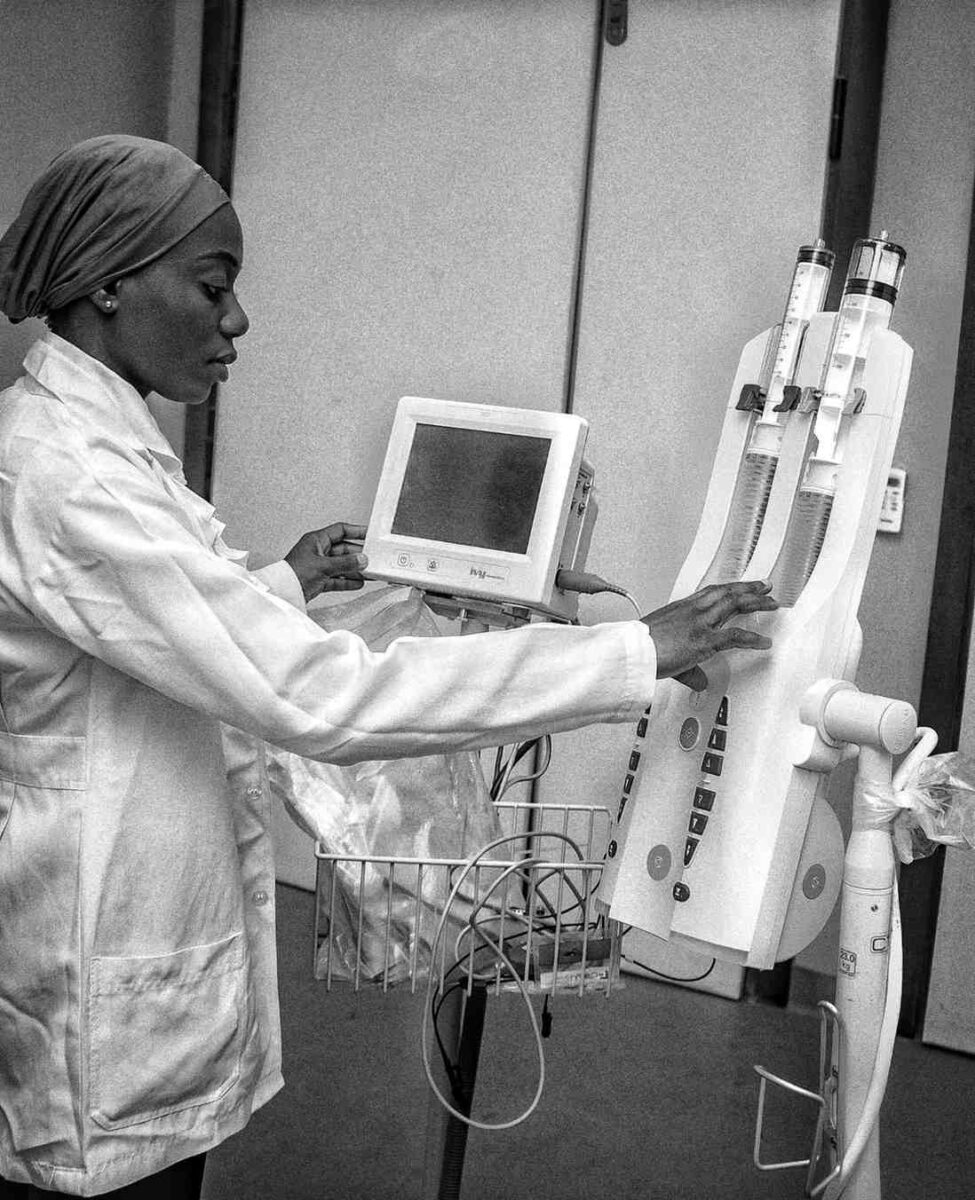
Why Health Technology Infrastructure Is a Strategic Priority
The case for health technology infrastructure in Nigeria rests on a basic insight: you cannot manage what you cannot measure.
A health system without reliable digital records cannot accurately track disease patterns, verify whether medicines reached patients, identify which facilities are performing effectively, or plan efficiently for future healthcare needs. Every one of these information gaps translates into wasted resources and preventable suffering.
Treating digital health systems as strategic investments rather than optional additions changes how governments approach healthcare funding. Infrastructure investments generate long-term returns because once systems are established, they improve clinical care, public health planning, and resource allocation for years to come.
States that recognise this reality and invest accordingly will steadily outperform those that continue to treat health technology as a secondary priority.
The Core Components of Health Technology Infrastructure in Nigeria
Effective health technology infrastructure requires several interconnected layers working together.
Connectivity and Power Infrastructure
At the foundation are reliable electricity and internet connectivity. Digital health systems cannot function effectively where power outages are frequent or internet access is unreliable.
Digital Health Records and Data Systems
The next layer includes:
- Electronic health records.
- Health management information systems.
- Patient registries.
- Healthcare provider databases.
- Facility registries.
- Medical supply tracking systems.
These systems create the data foundation needed for informed decision-making.
Interoperability and System Integration
The interoperability layer transforms isolated systems into a coordinated healthcare network.
When:
- Patient records move seamlessly between facilities.
- Laboratory results automatically reach clinicians.
- Referral information follows patients.
- Disease surveillance data aggregates efficiently from local to national levels.
The value of the entire health system increases significantly.
Building systems according to common standards from the outset helps avoid the costly fragmentation that has affected digital health initiatives in many countries.
Addressing Nigeria’s Health Infrastructure Gaps
Nigeria’s health technology landscape remains highly uneven.
Some tertiary hospitals and private healthcare facilities operate advanced digital systems, while many primary healthcare centres continue to rely entirely on paper-based processes.
This disparity creates an important challenge. Communities with the weakest healthcare infrastructure are often the least visible in health data systems, making it harder for policymakers to allocate resources where they are most needed.
Closing this gap requires prioritising primary healthcare facilities, where the majority of Nigerians receive care and where digital infrastructure remains weakest.
Health technology investments should follow patients by focusing on frontline facilities and community health workers rather than concentrating exclusively on already well-equipped referral hospitals.
Financing and Sustaining Health Technology Infrastructure
Making Investment Affordable
The financing challenge is significant but manageable.
Large upfront costs often discourage investment, but phased implementation can spread costs over time by:
- Establishing core infrastructure first.
- Expanding capabilities gradually.
- Prioritising high-impact systems.
- Leveraging shared national platforms.
Additional savings can come from:
- Pooled procurement among states.
- Open-source software solutions.
- Shared digital infrastructure.
- Standardised implementation frameworks.
Building for Long-Term Sustainability
Sustainability remains one of the greatest challenges facing health technology projects.
Many systems struggle because they depend heavily on external funding, donor support, or individual champions rather than long-term institutional commitment.
Successful health technology infrastructure requires:
- Dedicated maintenance budgets.
- Local technical expertise.
- Ongoing staff training.
- Clear governance structures.
- Long-term state ownership.
Infrastructure designed for sustainability is far more likely to deliver lasting value than systems built around short-term projects.
The Returns on Health Technology Investment
The benefits of strong health technology infrastructure are both immediate and long-term.
Short-Term Benefits
Digital systems can:
- Reduce duplication of services.
- Improve supply chain management.
- Minimise losses of medicines and equipment.
- Accelerate clinical decision-making.
- Improve data accuracy.
- Strengthen operational efficiency.
These improvements alone can generate significant value for healthcare systems.
Long-Term Strategic Benefits
Over time, strong digital infrastructure enables health systems to:
- Detect outbreaks earlier.
- Target interventions more effectively.
- Evaluate programmes more accurately.
- Improve healthcare quality.
- Support evidence-based policymaking.
- Strengthen health system resilience.
These benefits compound over time, creating a stronger and more responsive healthcare system.
Building the Foundation for Future Innovation
Health technology infrastructure is not only about solving today’s problems. It creates the platform upon which future healthcare innovations will depend.
Emerging technologies such as:
- Telemedicine.
- Artificial intelligence diagnostics.
- Remote patient monitoring.
- Precision public health.
- Advanced disease surveillance systems.
All require strong digital foundations to operate effectively.
States that invest in these foundations today will be better prepared to adopt new technologies as they emerge and become more accessible.
Conclusion
Investing in health technology infrastructure is one of the most important strategic decisions Nigerian states can make for the future of healthcare. Strong digital systems improve efficiency, strengthen accountability, support better decision-making, and create the foundation for future innovation.
While challenges related to financing, connectivity, and implementation remain significant, the long-term benefits far outweigh the costs. By prioritising digital infrastructure at every level of care—particularly within primary healthcare systems—Nigeria can build a more effective, equitable, and resilient health system.
The health innovations of tomorrow will depend on the infrastructure decisions made today. Building that foundation well is essential for improving health outcomes and strengthening public health across all Nigerian states.
